

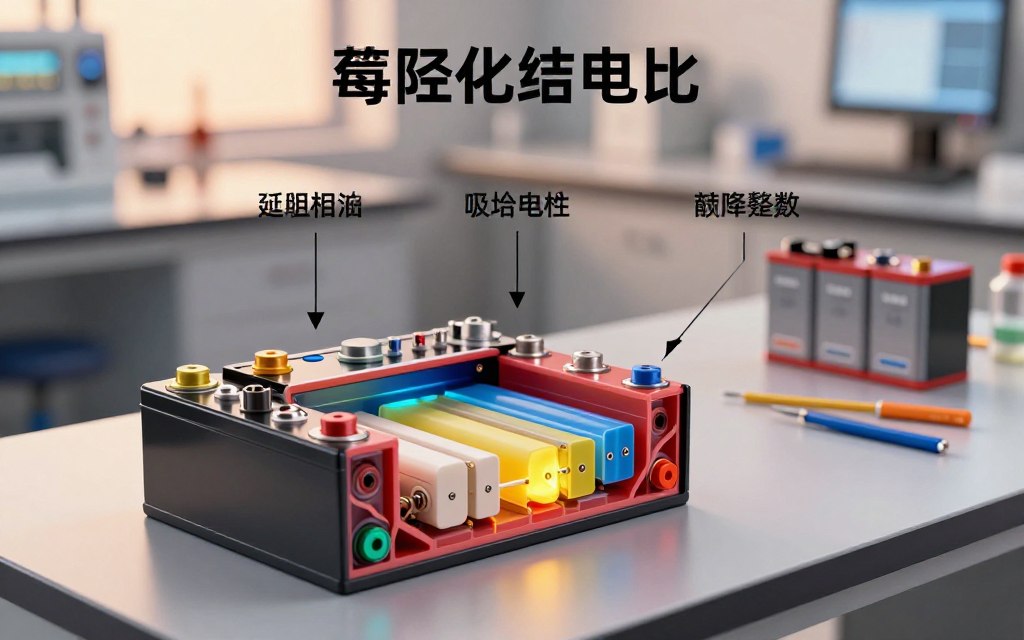
Learning what is gel battery technology helps consumers and businesses understand these energy storage solutions. A gel cell battery uses silica-based gel to hold its electrolyte in place. Its sealed, valve-regulated design stores and releases electrical energy efficiently for many applications.
Spill-proof gel battery designs improve safety in many settings. These batteries support backup power, renewable energy storage, mobility equipment, marine systems, and RVs. Low maintenance needs and dependable deep-cycle performance make them attractive for long-lasting power.
However, gel batteries need compatible charging equipment and careful voltage control. This article explores their construction, chemistry, advantages, drawbacks, and rechargeable battery technology compared with AGM and flooded lead-acid batteries. It offers maintenance advice and buying guidance for informed decisions.
Key Takeaways
- Gel cell batteries are sealed and spill-proof, enhancing safety.
- They provide low maintenance and reliable deep-cycle performance.
- Compatible charging equipment is essential for optimal use.
- Common applications include renewable energy storage and mobility equipment.
- Understanding their chemistry can help maximize lifespan and efficiency.
What Is Gel Battery Technology and How It Differs from Conventional Batteries
Gel batteries are an innovative type of sealed lead-acid battery with features that differ from conventional batteries. They combine sulfuric acid with silica, forming a thick, non-flowing gel. This electrolyte improves performance and safety for many uses.
Gel batteries are also valve-regulated lead-acid batteries (VRLA). Each valve-regulated lead-acid battery uses internal pressure-relief valves to manage gases during normal operation. A conventional lead-acid battery may be flooded with free-flowing liquid electrolyte; gel batteries need no ventilation or periodic water replenishment.
Gel batteries support deep-cycle use, so they handle repeated charging and discharging without rapid damage. They suit renewable energy systems and backup power supplies that need steady power. Though often called “maintenance-free,” they still need proper charging and protection from extreme temperatures.
To understand the differences between gel batteries and a conventional lead-acid battery, see this table:
| Feature | Gel Battery | Conventional Lead-Acid Battery |
|---|---|---|
| Electrolyte Type | Thick gel | Liquid |
| Maintenance | Low maintenance | Requires regular maintenance |
| Pressure Management | VRLA with pressure relief | Open venting |
| Cycle Life | Deep-cycle design | Shallow-cycle design |
In summary, a deep-cycle gel battery is a rechargeable electrochemical storage device for stationary, mobile, or backup power use. Its unique construction makes it a valuable choice for reliable energy storage in many environments.
The Chemistry and Working Principle Behind Gel Batteries
Gel batteries store and release energy through a chemical process. They are sealed lead-acid batteries that use a gel electrolyte for safer, stronger performance. Inside, lead dioxide and lead plates, separators, and sulfuric acid sit inside a durable shell.
Related Posts:
- What Is Sensata Technologies Sensors and Controls…

- What is sustainable energy? From Green Hydrogen to Blue Gas

- How to Get More Starship Technology Slots in No Man’s Sky

- How Smart Home Tech is Shaping the Future of Living in 2025

- What Is Infineon Technologies Semiconductor Solutions Leader

- What Is Information Science and Technology Data and…

Composition of the Gel Electrolyte
Gel electrolyte is a key part of these batteries. A silica gel battery forms it by adding silica to sulfuric acid. The gel supports needed chemical reactions, prevents leaks, and works in many positions; follow the manufacturer’s installation instructions for best performance.
The Charge and Discharge Process Explained
Battery charging and discharging control how gel batteries work. During discharge, the plates react with the gel electrolyte and create current for connected devices. This continues until the battery reaches a set voltage level.
Charging reverses this reaction through an external electrical source. Many gel batteries need specific charging profiles unlike flooded batteries; absorption, float, and equalization settings help maintain battery health. Too much voltage during charging can create gas, dry the electrolyte, and cause permanent damage.
Because gel batteries are sealed, users cannot easily restore lost electrolyte. Therefore, careful charging practices are essential.
For more in-depth information about gel battery technology, visit this link.
Key Benefits of Gel Battery Technology
The benefits of gel batteries explain their growing use in modern energy systems. Their useful features support many applications for consumers and industries.
Maintenance-Free Operation and Long Service Life
Gel batteries provide maintenance-free operation. Unlike flooded batteries, a maintenance-free battery needs no routine watering or electrolyte inspections. Its sealed design reduces the time and effort required for care.
As a long-life battery option, gel batteries can withstand many charge and discharge cycles when used properly. For longer life, follow the recommended depth of discharge, use moderate temperatures, and avoid prolonged over-discharge. Actual life varies with battery quality and storage conditions, but proper care can extend it greatly.
Safety, Spill-Proof Design, and Environmental Advantages
Safety is another key benefit of gel battery technology. Their immobilized electrolyte lowers acid spill risks during normal handling. This spill-proof battery design suits places where liquid leaks could cause problems and protects users and surroundings.
Gel batteries also support environmental goals. Under proper charging conditions, they produce low routine emissions and contain recyclable lead-acid components. They contain corrosive materials and can produce gas abnormally; recycle them through approved programs, never household trash.
| Benefit | Description | Considerations |
|---|---|---|
| Maintenance-Free Operation | No routine watering or inspections required. | Sealed design limits access to electrolyte. |
| Long Service Life | Can endure many charge/discharge cycles. | Lifespan varies based on usage and care. |
| Safety | Reduced risk of acid spills. | Still contains corrosive materials; handle with care. |
| Environmental Advantages | Low emissions and recyclable components. | Must be recycled properly. |
Limitations and Challenges of Gel Batteries
Gel batteries offer many benefits, but their limits may affect some uses. Understanding these challenges helps you choose the right battery.
Charging Sensitivity and Voltage Requirements
One of the main gel battery disadvantages is sensitivity to wrong charging voltage and methods. Their gel battery charging requirements include special charging profiles for efficient operation. Excessive voltage can cause heavy gas production and dangerous pressure buildup.
Overcharging may dry the electrolyte, reducing capacity and shortening service life. Use a charger or solar controller with a gel-specific profile and overcharging protection. Voltage settings vary by battery size, manufacturer, system setup, and temperature.
Avoid generic charger settings and unverified equalization cycles. They can cause damage and reduce performance.
Cost and Performance Trade-Offs
Gel batteries usually have a higher purchase price than other battery types. However, they need little routine maintenance and support strong deep-cycle use. These features can make them valuable in certain situations.
Despite the higher gel battery cost, a gel battery may offer good value. It suits uses that need spill resistance, flexible installation, and dependable cycling. Its drawbacks include more weight than some lithium alternatives, slower charging in some systems, and lower performance in extreme cold.
Repeated deep discharges or improper storage may cause damage. Consider these factors carefully before choosing a gel battery for your needs.
Common Applications and Uses of Gel Batteries
Gel batteries are increasingly popular because their unique features support many uses. They are valued where reliable, low-maintenance power matters. These gel battery applications span several sectors.
Renewable Energy Storage Systems
A leading use of gel batteries is renewable energy storage systems. These batteries support solar energy storage by saving daytime power for nights and cloudy weather. Their deep-cycle design provides steady discharge for cabins, off-grid homes, and backup installations.
Match the battery bank’s voltage and capacity with the inverter and solar controller settings. This planning supports strong performance and longer system life. It can also improve energy-use and storage efficiency.
Marine, RV, and Automotive Applications
Gel batteries serve marine, RV, and automotive needs. On boats, a marine gel battery can power trolling motors and house systems. Their spill-proof design and vibration resistance suit harsh marine conditions.
In recreational vehicles, gel batteries power appliances and other systems. An RV battery can also provide backup power for automotive systems. However, engine starting may need a high-current cranking battery, not a deep-cycle battery.
Medical, Mobility, and Telecommunications Equipment
In medical settings, gel batteries power wheelchairs, mobility scooters, and emergency lighting systems. Their safety and reliability support backup power battery applications in critical environments. They also serve security systems, uninterruptible power supplies, and remote telecommunications equipment.
Medical and emergency systems need documented compatibility and compliance with safety standards. These checks help equipment work effectively when needed most. They also provide peace of mind for users and caregivers.
Gel Batteries vs. AGM and Flooded Lead-Acid Batteries
Comparing gel batteries with AGM and flooded lead-acid batteries reveals key factors, because each type suits different uses. A gel vs AGM battery review and gel vs flooded battery review can help you choose.
Performance, Efficiency, and Lifespan Comparison
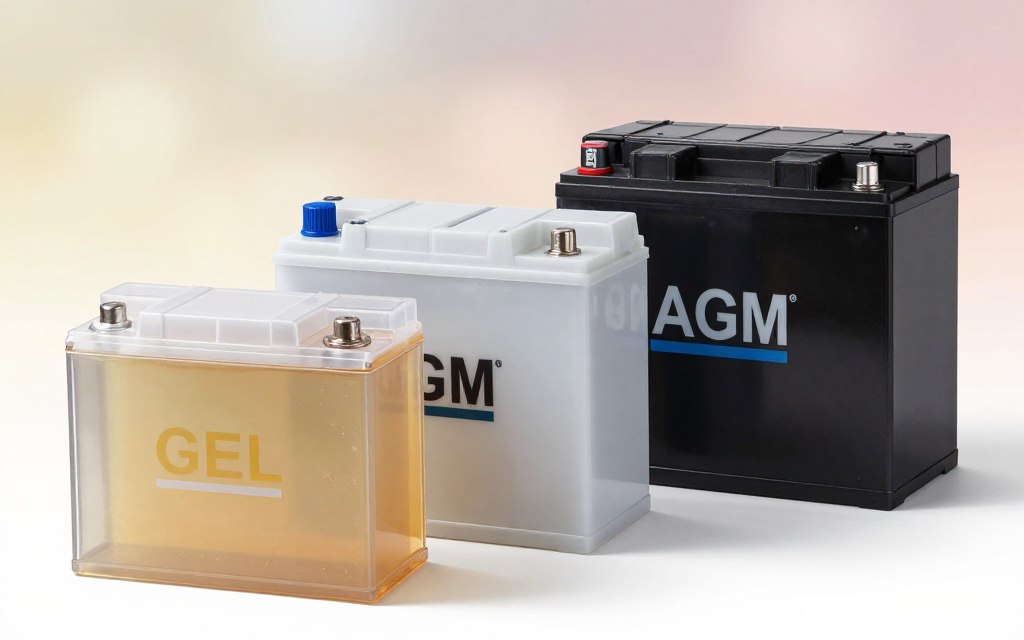
Gel and AGM batteries are both sealed, valve-regulated lead-acid (VRLA) designs. An AGM battery comparison shows that AGM uses an absorbent glass mat; gel uses silica to immobilize electrolyte. This difference affects performance in various conditions.
Gel batteries often excel in controlled deep-cycle service, making them ideal for steady power over long periods. AGM batteries often deliver strong power and charge faster, which helps in high-demand situations.
Flooded lead-acid batteries remain popular but need more maintenance and ventilation. A lead-acid battery comparison shows why users choose them: lower starting cost and easy service. However, they may be less efficient and shorter-lived than gel and AGM batteries, which need less maintenance.
Cost, Maintenance, and Use Case Comparison
Cost plays a major role when choosing among these battery types. Flooded batteries usually cost less at first, but need regular maintenance and proper ventilation. That need can trouble users seeking a hassle-free option.
Gel and AGM batteries usually cost more, but they need less maintenance and have fewer spill concerns. Both need compatible chargers for best performance.
When deciding which battery to use, consider the following:
- Choose gel batteries for controlled deep-cycle applications and environments where spill resistance is crucial.
- Select AGM batteries for applications needing high power and robust general-purpose performance.
- Opt for flooded batteries when budget constraints and serviceability are priorities.
How to Maintain and Extend the Life of Gel Batteries
To extend gel battery life, follow these key maintenance practices. Proper care improves performance and keeps batteries reliable over time.
Proper Charging Practices and Equipment
Using the right equipment is central to gel battery maintenance. Select a gel battery charger, inverter-charger, or solar charge controller with a gel setting. Follow the manufacturer’s bulk, absorption, and float voltage limits to prevent overcharging.
Check polarity when connecting the charger. Inspect terminals for corrosion or looseness, which can reduce performance. Do not leave the battery deeply discharged, because this may cause permanent damage.
Charge batteries in a well-ventilated location. Overcharging, incompatible equalization, or excessive current can damage a sealed battery. Use temperature-compensated equipment to prevent guesswork during charging.
Storage Conditions and Temperature Management
Manage battery storage temperature with a clean, dry, controlled location. Keep gel batteries away from direct heat, freezing conditions, moisture, and physical damage. Fully charge batteries before storage, then disconnect unnecessary loads.
Check voltage regularly to monitor self-discharge. Cold temperatures reduce available capacity, while high temperatures speed aging. Follow the manufacturer’s storage and recharge schedule for seasonal uses, including RVs, marine use, and renewable energy systems.
| Condition | Effect on Battery | Recommended Action |
|---|---|---|
| High Temperature | Accelerates aging | Store in a cool, dry place |
| Low Temperature | Reduces capacity | Keep fully charged |
| Moisture | Corrosion risk | Ensure dry storage |
| Deep Discharge | Permanent damage | Avoid prolonged discharge |
Choosing the Right Gel Battery for Your Needs
Choosing the best gel battery requires careful review of your needs. Know your energy demands before making an informed choice. Use these key points when selecting a gel battery:
Capacity, Voltage, and Size Considerations
When evaluating a gel battery, review battery capacity and voltage first. Consider these factors:
- Energy Demand: Estimate your energy needs in watt-hours or amp-hours to determine the required capacity.
- System Voltage: Ensure the battery matches your system’s voltage to avoid compatibility issues.
- Depth of Discharge: Account for the expected depth of discharge to enhance battery longevity.
- Reserve Margin: Allow for a reserve margin to ensure reliable performance during peak demands.
- Physical Dimensions: Verify that the battery fits your designated space, considering terminal type and weight.
- Mounting Orientation: Check if the battery can be mounted in your preferred orientation without affecting performance.
- Temperature Range: Ensure the battery operates effectively within your environment’s temperature range.
- Charge Current: Determine the maximum charge current to ensure compatibility with your charger.
- Cycle Rating: Look for a battery with a suitable cycle rating for your application.
- Inverter Compatibility: Confirm that the battery is compatible with your inverter or charger.
A higher amp-hour rating does not always make the best gel battery choice. The battery must fit your enclosure and meet the system’s charging needs.
Trusted Gel Battery Brands Available in the United States
For this gel battery buying guide, choose established brands. Researching manufacturers and distributors is also crucial. Some reputable gel battery brands include:
- East Penn Manufacturing/Deka
- Fullriver Battery
- MK Battery
- U.S. Battery
- Trojan Battery
Each brand offers different product lines, so evaluate them individually. Review specifications, warranty terms, date codes, dealer support, recycling policies, and independent customer feedback. Always verify that the product is genuinely a gel battery, not an AGM or flooded model marketed as “maintenance-free.”
Conclusion
Knowing what is gel battery technology helps people choose energy storage solutions. This technology uses a silica-based gel electrolyte, making it spill-resistant and low-maintenance. Gel battery advantages include long service life and reliable performance for many applications.
Gel battery uses include renewable energy systems, marine applications, and RVs. Their flexible installation and deep-cycle performance distinguish them from traditional batteries. However, gel batteries often cost more upfront than flooded lead-acid batteries.
They also need careful charging and specific voltage and temperature guidelines.
When choosing a gel battery, consider your load requirements, voltage, capacity, space, and charging equipment. Choose one that fits your entire system, not merely the cheapest or highest-capacity option. This choice helps you get the most from your investment.